TOURS
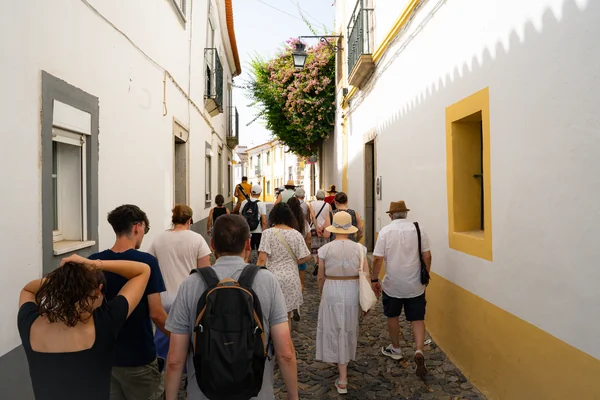
Embark on a captivating journey through Évora, a city that stands as a living testament to Portugal's rich historical tapestry. The Évora Free Walking Tour is an exploration into the soul of the Iberian Peninsula, revealing layers of Roman and Arabic heritage, medieval bravery, and architectural marvels.
Step into a world where history breathes through every cobblestone and building. Our Évora Free Tour offers an in-depth exploration of this ancient city, weaving through Roman legacies, Gothic grandeur, and tales of resilience and faith.

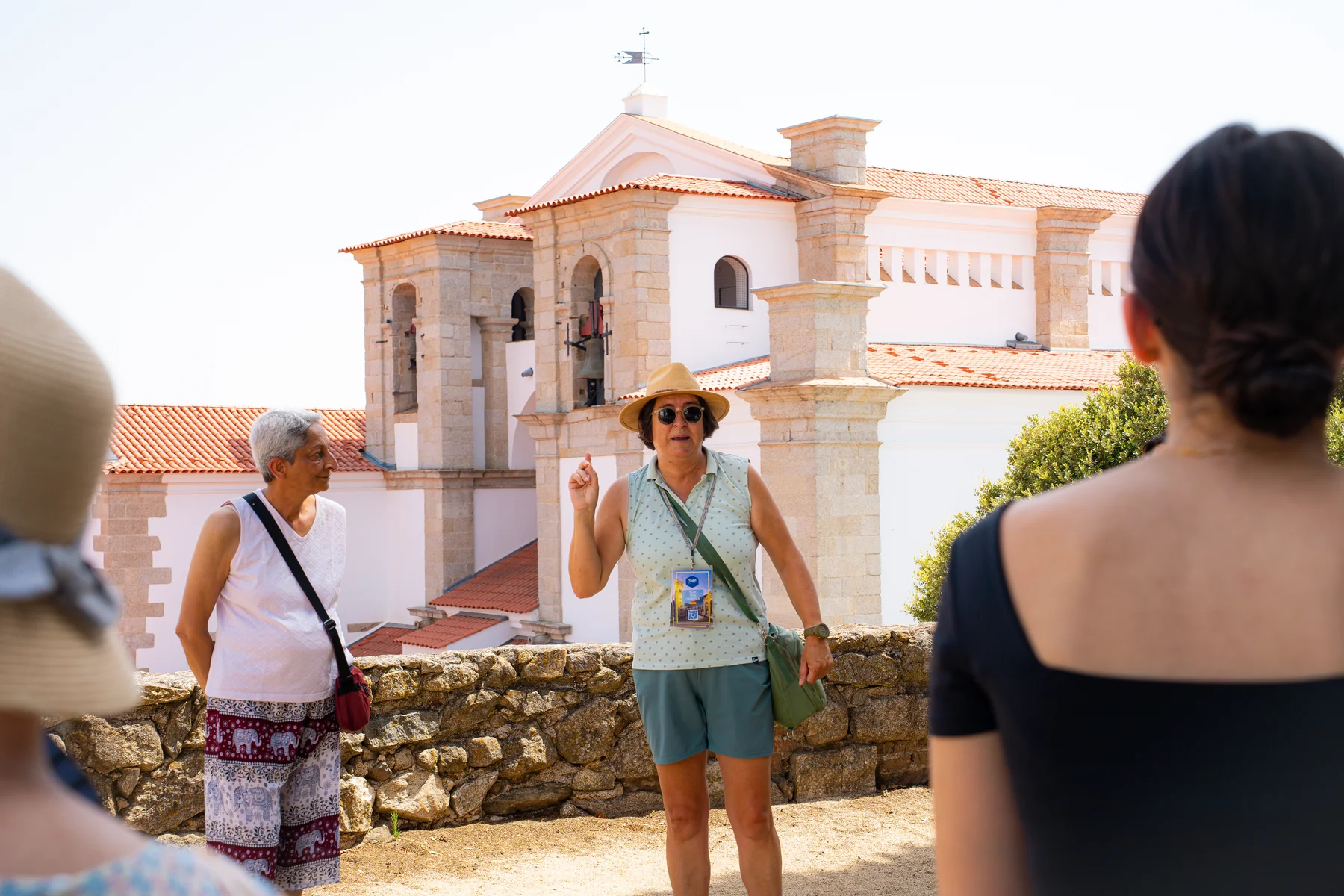
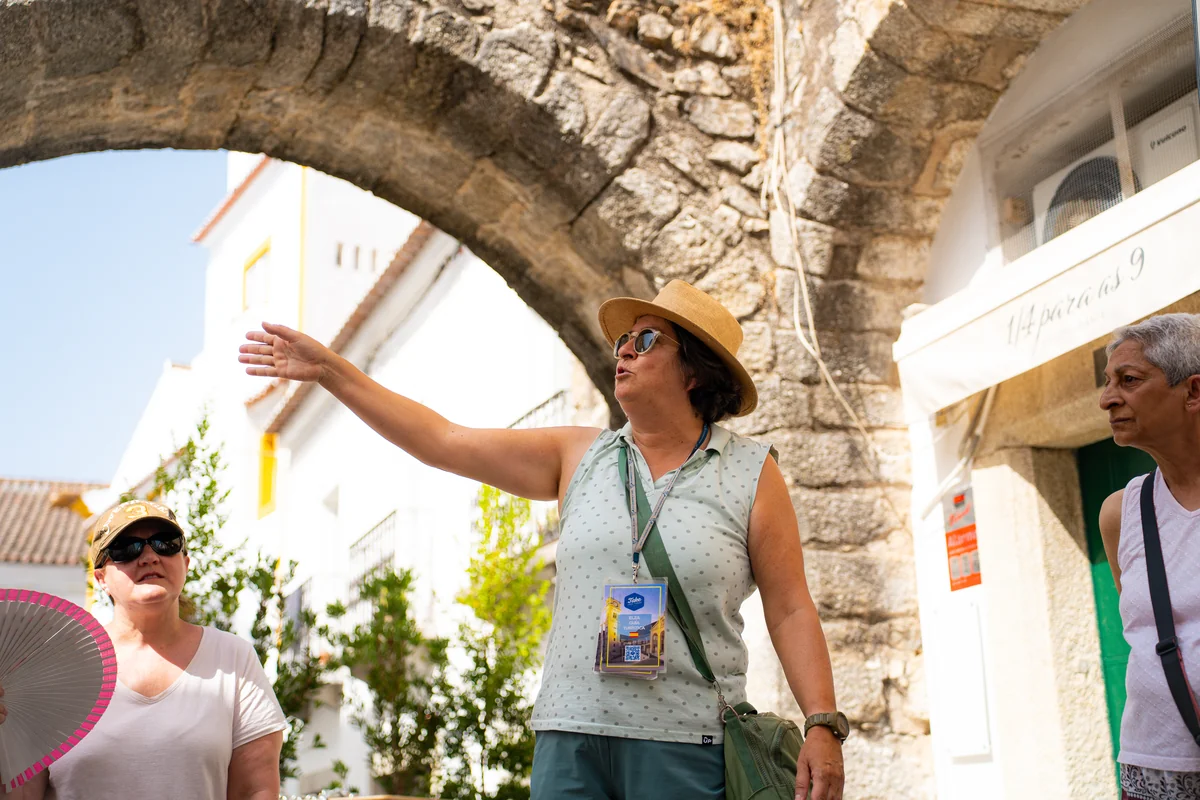
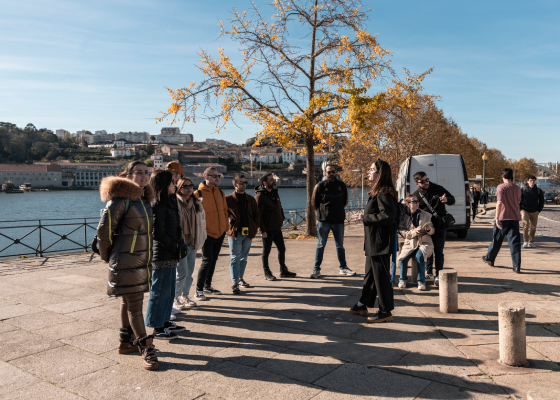
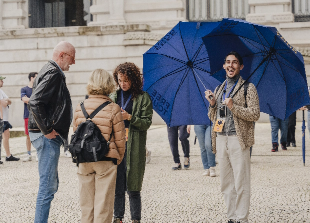
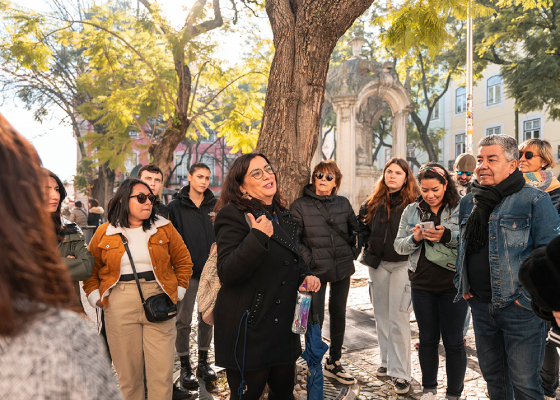
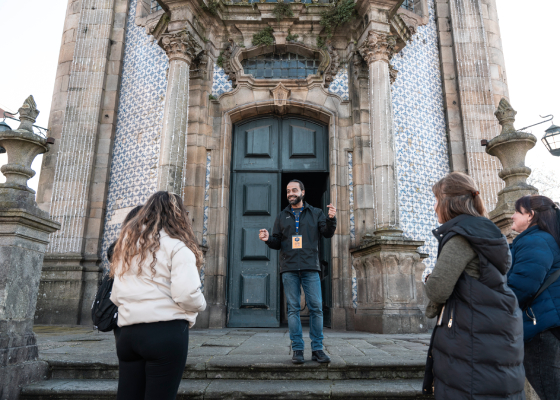
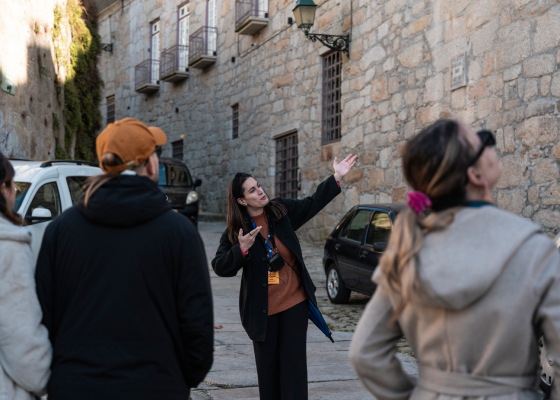
This free walking tour is a time-traveling experience. You’ll be guided by enthusiastic experts in history who will share secrets, stories, and suggestions, making the past come alive in the present.
Duration: 2hr 40min
Évora Free Walking Tour

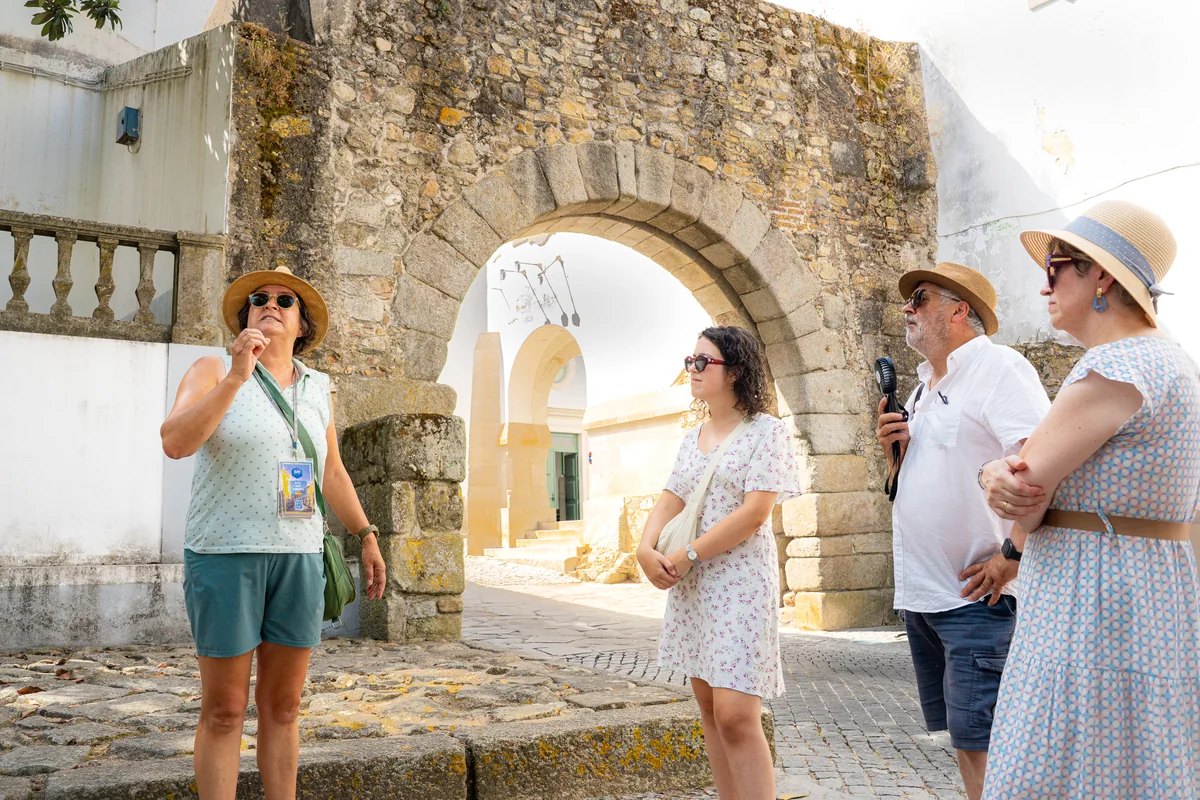
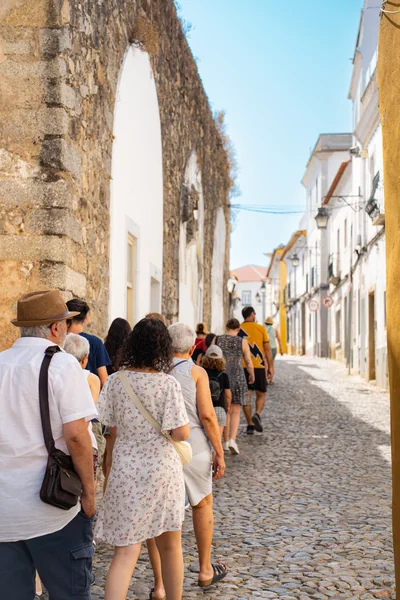
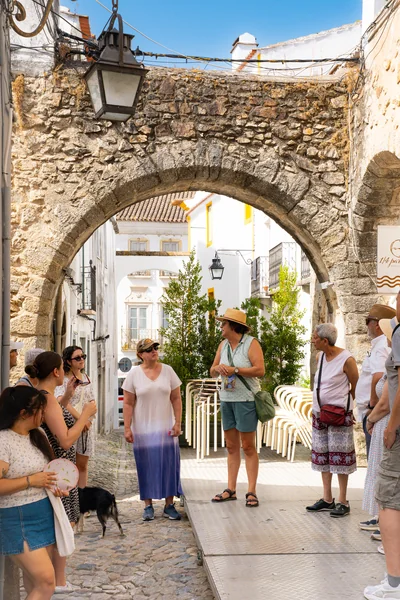
We begin at one of Évora's most picturesque spots, right beside the stunning Silver Water Aqueduct. We walk past the unique Enclosed Houses, each with a story etched into its walls, until we reach the Roman Arch of Dona Isabel. It’s like stepping into a time machine.

Évora, also known historically as Ebora or Yabura, is steeped in Roman and Arabic heritage. Each corner of this city tells tales from centuries past.

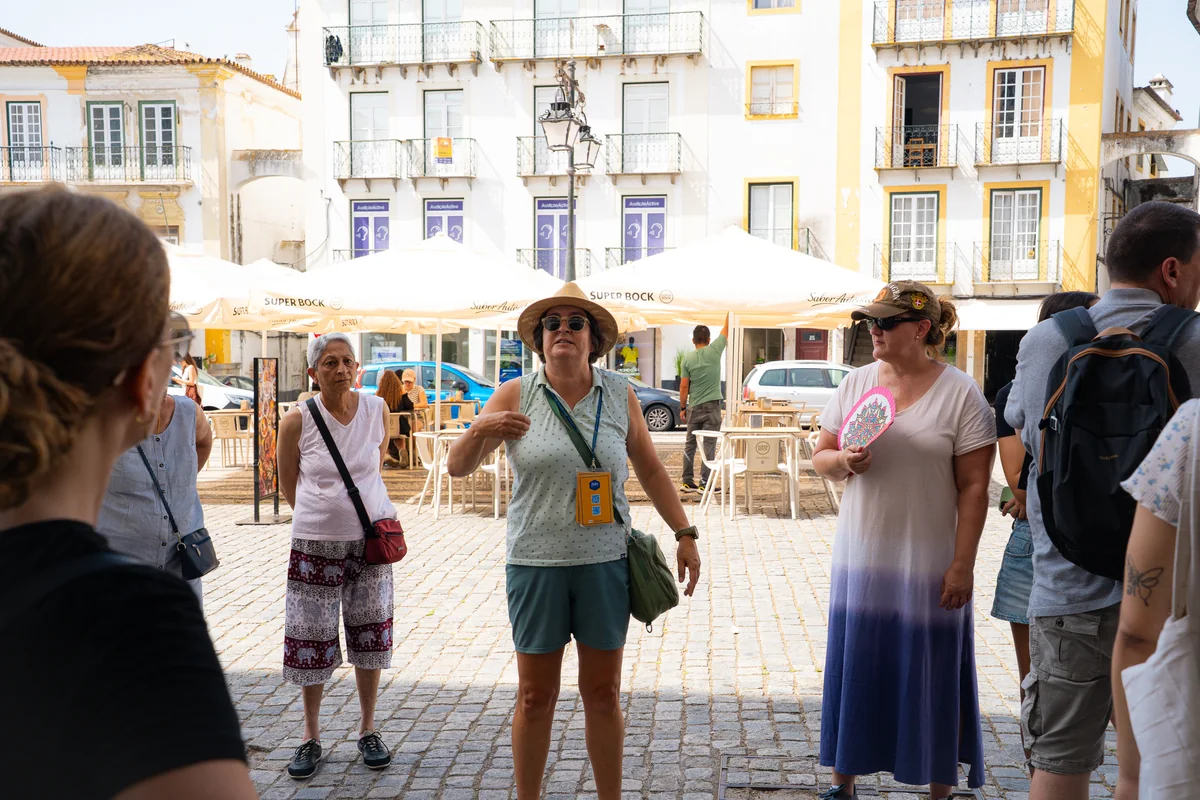
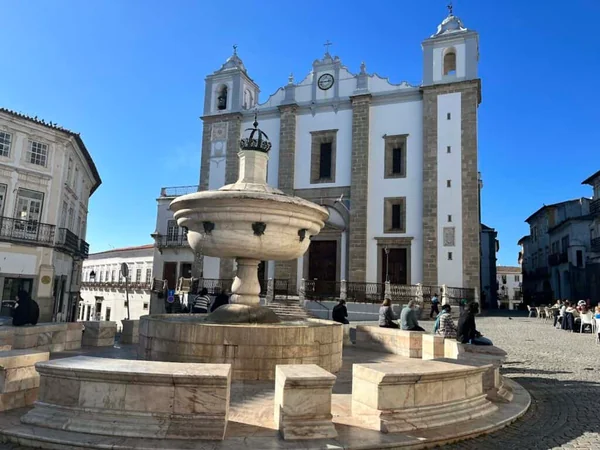
As we make our way towards the heart of Évora, Giraldo Square, you'll hear the legendary stories of Geraldo Sem Pavor (Geraldo “Without Fear”), learn about astonishing revolts, and the tales of the French invasions.

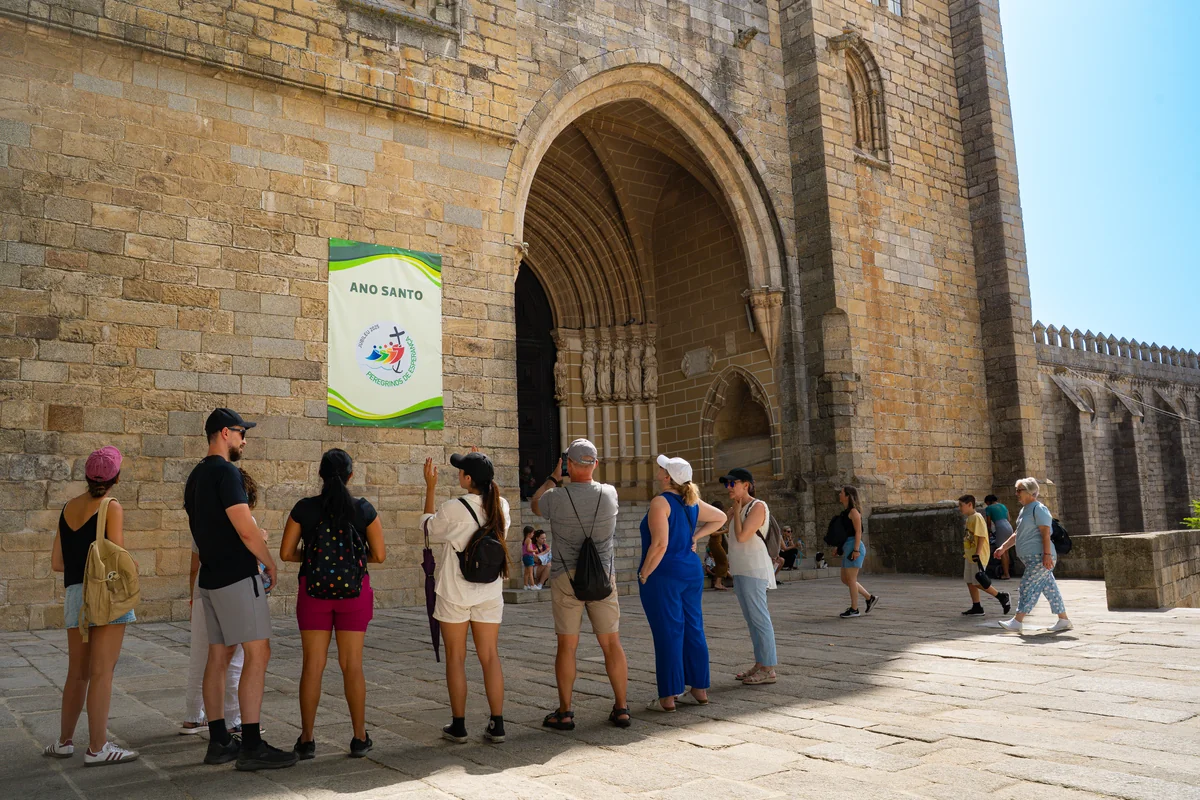
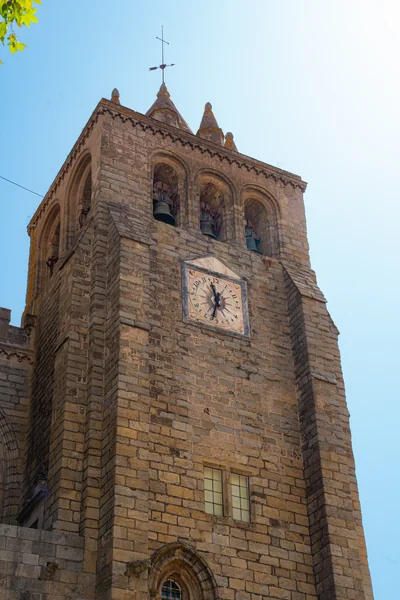
Close to the imposing Évora Cathedral, you’ll hear the saga of this fortress-like cathedral and its incredible reliquary, a symbol of the city's resilience and faith.
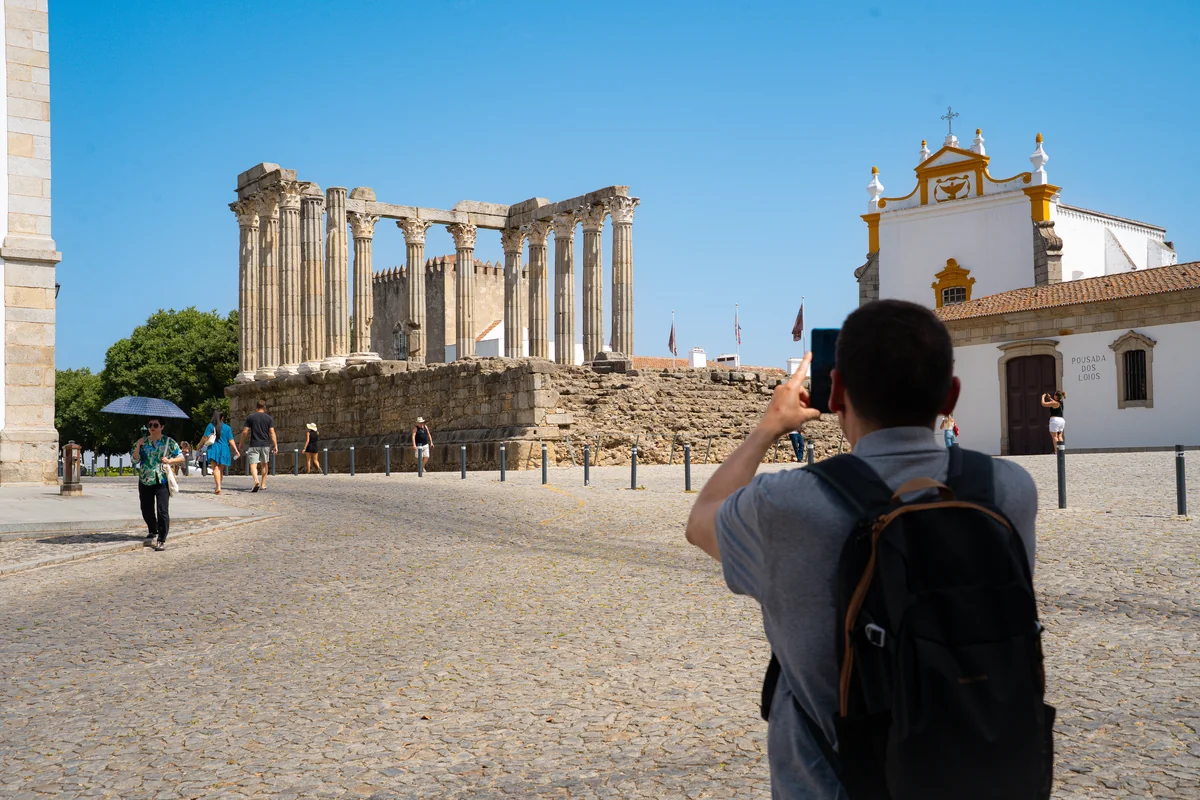
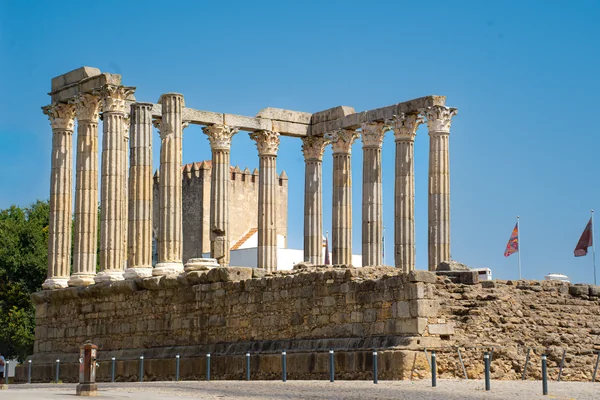
We visit the Roman Temple (often called the Temple of Diana). There is a reason it’s the most photographed monument in Évora. You’ll learn about the Portuguese Inquisition and the Marquis of Pombal's tussle with the Jesuits—the stories that shaped the nation.

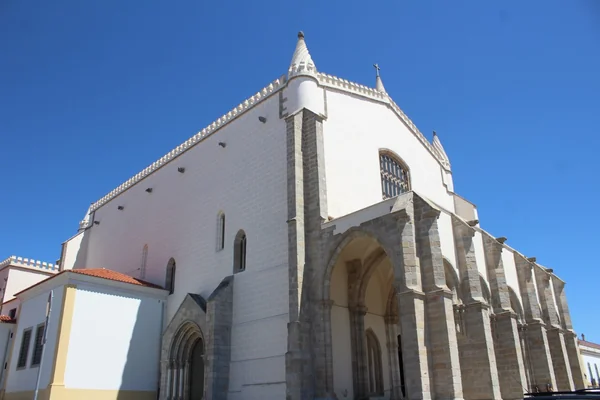
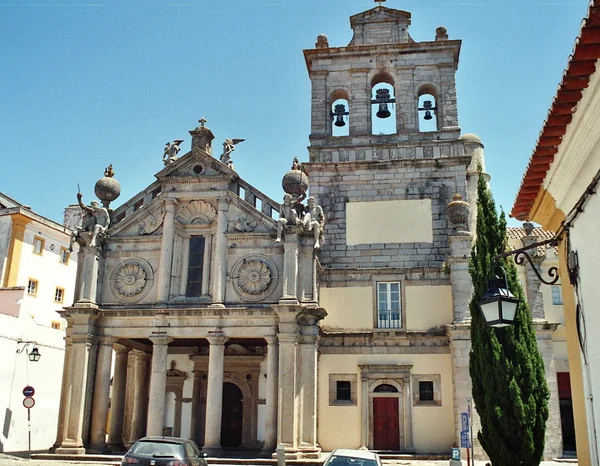
We visit the Church of São Francisco and the Church of Graça, important chapters in the story of Évora (a World Heritage Site), and end our tour in the serene Public Garden.
The Évora Free Walking Tour is an experience you simply can’t miss. It’s a chance to be swept away by ancient defensive walls, centuries-old arches, and monuments that have earned their place in the annals of world history. So, come along—let’s uncover the layers of time in Évora together!

Begin beside Évora’s Silver Water Aqueduct, a masterpiece of sixteenth-century engineering that threads through the city. Learn how its arches shaped urban life, supplied convents and fountains, and inspired the rare “Enclosed Houses” that ingeniously embed domestic façades into the aqueduct’s sturdy buttresses.

See Évora’s unique Enclosed Houses, where everyday homes literally fuse with the aqueduct. Their quirky doors, niches, and tiled details reveal centuries of adaptation, craftsmanship, and scarcity, offering a vivid snapshot of Alentejo vernacular architecture—and the city’s talent for reusing monumental infrastructure.

Walk through Évora’s Roman Arch of Dona Isabel, a tangible gateway to Lusitania’s classical past. Stone by stone, it reveals layers of urban continuity—from imperial Rome and medieval fortifications to present-day Évora—framing stories of trade, defense, religion, and enduring city identity.

Stand in Giraldo Square, Évora’s beating heart. Hear the exploits of the formidable conqueror Geraldo “Sem Pavor,” the shock of revolts and French invasions, and the square’s role as marketplace, stage, and gathering place—where Évora’s civic life has unfolded for centuries.

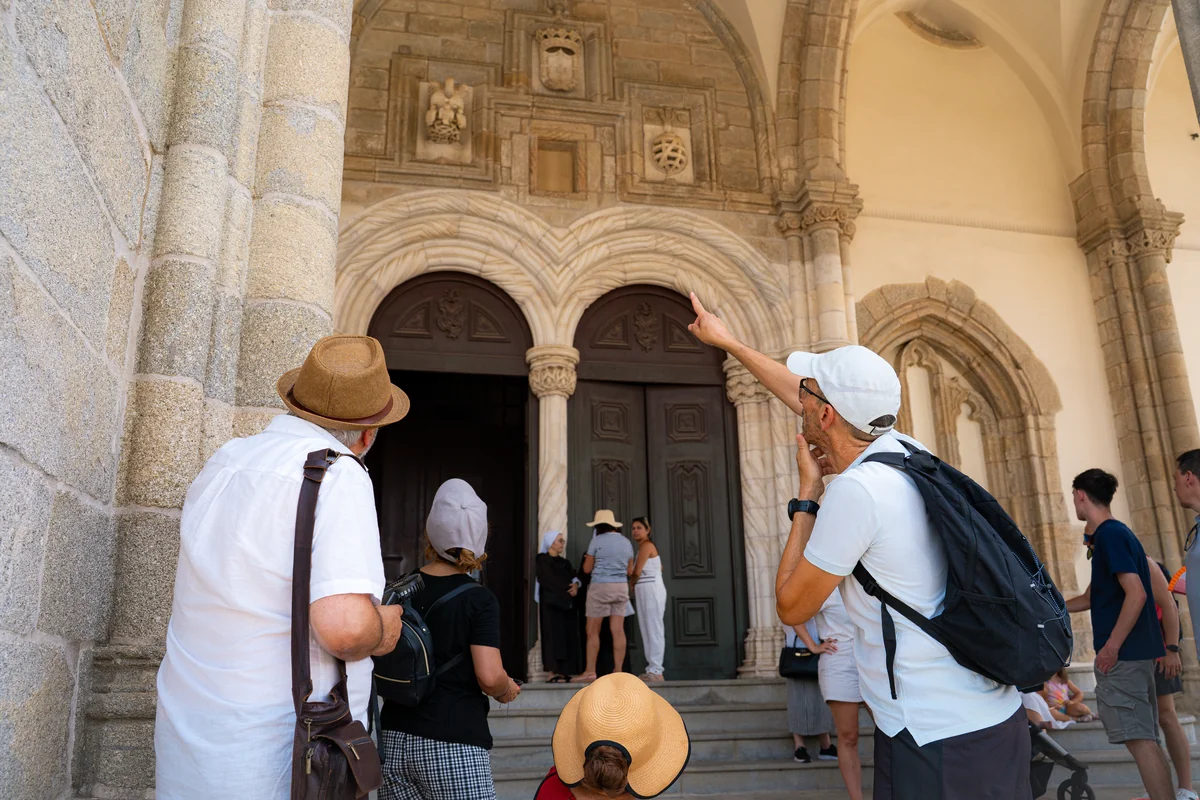
Encounter Évora’s fortress-like Cathedral, an austere Romanesque-Gothic giant crowned by domes and pinnacles. Inside, chapels, reliquaries, and treasures illuminate medieval devotion and power. From its rooftop, the skyline—temple, towers, and terracotta roofs—spreads like a living fresco of Alentejo history.

Photograph Évora’s Roman Temple up close: fluted columns, granite podium, and luminous marble drums. Learn why it’s often called “Temple of Diana,” how it survived through repurposing, and how inquisitions, Jesuit expulsions, and Pombaline reforms rippled around this ancient sanctuary.

Step into the ambit of São Francisco, once the powerhouse of a vast conventual complex. Its severe late-Gothic-Manueline lines, gilded altars, and side chapels narrate Franciscan spirituality, royal patronage, and Évora’s rise as a courtly and ecclesiastical center during Portugal’s golden age.

Admire the Church of Graça, famed for its serene Renaissance harmony and sculpted “Atlantes.” Discover how Humanism reshaped sacred space in Évora, blending classical proportion, learned iconography, and local devotion—an elegant counterpoint to the city’s Romanesque bulk and Baroque exuberance.

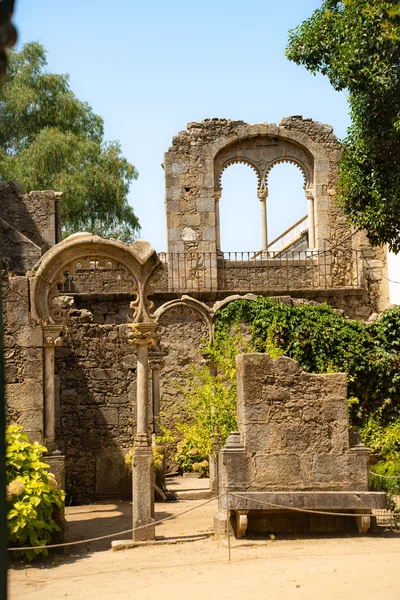
Unwind in Évora’s Public Garden, a shaded nineteenth-century refuge beside palace ruins and peacocks’ calls. Here, locals stroll past romantic follies and cork oaks, reflecting on a day of temples, cloisters, and arches—the perfect, quiet coda to a story-rich walking tour.
Leave a Reply